

Introduction
If you train regularly in gyms across Malaysia, you've probably seen someone wearing a lifting belt while squatting or deadlifting. From commercial gyms like Anytime Fitness and Celebrity Fitness to smaller bodybuilding gyms around the country, lifting belts have become one of the most common pieces of gym accessories Malaysia lifters rely on.
But many beginners still ask the same question:
Do you actually need a lifting belt?
The short answer is yes — if you're lifting heavy and want to improve stability, safety, and performance.
In this guide, we will break down everything you need to know about lifting belts, including how they work, when to wear them, and how to choose the best lifting belt Malaysia athletes should use.
What Is a Lifting Belt?
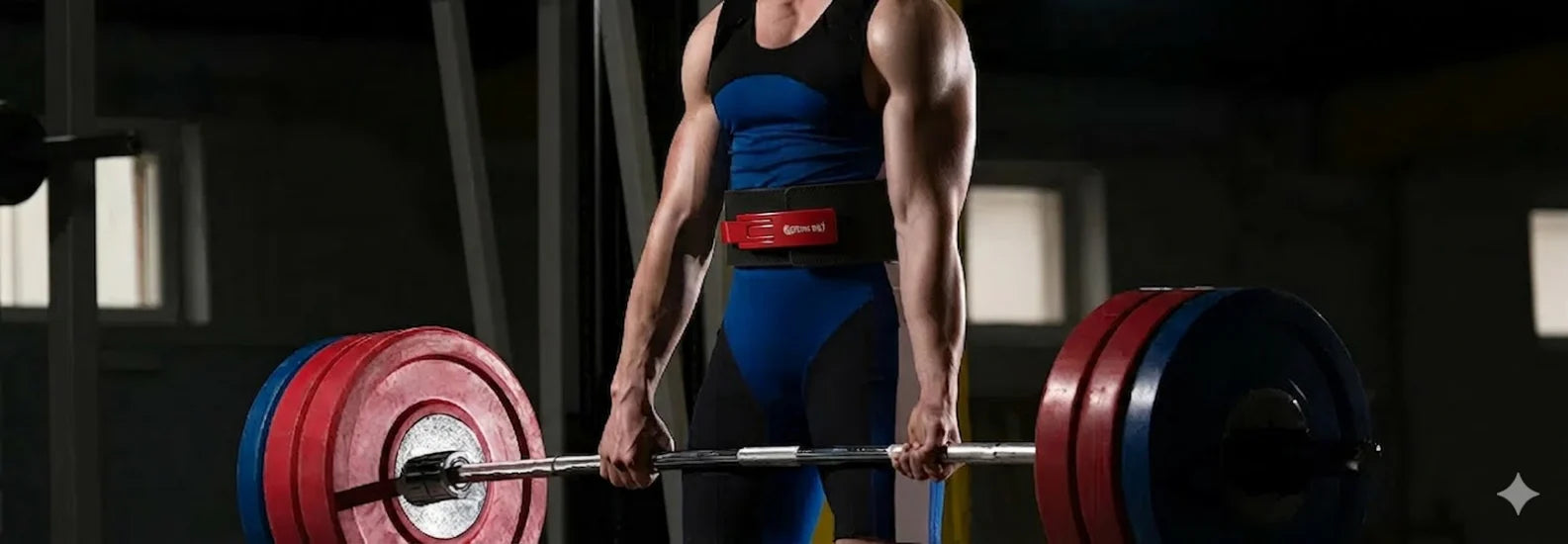
A lifting belt is a thick belt designed to wrap around your waist during heavy lifts such as:
• Squats
• Deadlifts
• Overhead presses
• Heavy rows
The purpose of the belt is not to hold your back together. Instead, it helps increase intra-abdominal pressure, which stabilizes your core and protects your spine.
When used properly, a lifting belt becomes one of the most valuable pieces of workout gear Malaysia lifters use for strength training.
Why Lifting Belts Are Popular in Malaysia
Fitness culture in Malaysia has grown significantly over the past decade. More people are now training for:
• Powerlifting
• Bodybuilding
• Strength training
• General fitness
Because of this, many athletes are investing in proper gym accessories Malaysia athletes trust instead of relying only on gym equipment.
A lifting belt helps:
• Lift heavier safely
• Reduce lower back stress
• Improve bracing technique
• Increase overall lifting confidence
For lifters chasing new PRs, the belt becomes almost essential.
How a Lifting Belt Works
When you take a deep breath and brace your core, pressure builds inside your abdomen.
This pressure is called:
Intra-abdominal pressure
A lifting belt gives your core something to push against, which helps stabilize the spine during heavy lifts.
Think of it like creating a natural support system around your torso.
This is why belts are commonly used for compound lifts like squats and deadlifts.
Benefits of Using a Lifting Belt
1. Improved Core Stability
One of the biggest advantages of using a lifting belt is increased stability.
By supporting the abdominal brace, belts help maintain a neutral spine during heavy lifts.
2. Increased Strength Output
Many lifters notice they can lift 5–10% heavier when wearing a belt.
This happens because the body feels more stable and confident during the lift.
3. Reduced Risk of Injury
While belts don't eliminate injuries, they can reduce strain on the lower back when lifting heavy weights.
4. Better Lifting Confidence
When you're attempting a heavy deadlift or squat, confidence plays a big role.
A lifting belt gives many lifters the mental confidence to push harder.
When Should You Use a Lifting Belt?
A common mistake beginners make is wearing a belt for every exercise.
You do not need a belt for everything.
Use a belt for:
• Squats above 70–80% of your max
• Heavy deadlifts
• Heavy overhead presses
• Powerlifting training
Avoid using belts for:
• Light warmups
• Isolation exercises
• Machines
Training beltless sometimes is also important to strengthen your natural core.
Types of Lifting Belts
Lever Belts
Lever belts are popular among powerlifters because they provide:
• Fast locking system
• Very tight fit
• Maximum support
These are ideal for serious strength athletes.
Prong Belts
Prong belts are similar to traditional belts and offer:
• Adjustable fit
• Versatility
• Good support
Many gym goers across Malaysia prefer prong belts because they are easy to adjust between exercises.
Choosing the Best Lifting Belt in Malaysia
When buying a lifting belt Malaysia lifters should look for:
• Strong leather or reinforced material
• Consistent width for support
• Durable buckle system
• Comfortable inner lining
Cheap belts may wear out quickly, especially with Malaysia's humid climate.
Common Lifting Belt Mistakes
Many beginners misuse belts.
Avoid these mistakes:
• Wearing the belt too loose
• Wearing the belt too high
• Not bracing properly
• Using a belt for every exercise
The belt is a tool, not a replacement for core strength.
Training Tips for Malaysian Lifters
Because Malaysia is hot and humid, training conditions can be tougher.
Helpful tips:
• Stay hydrated during workouts
• Use breathable gym clothing
• Train early morning or evening when gyms are cooler
• Bring your own gym accessories
Final Thoughts
A lifting belt is one of the most valuable tools in strength training.
Whether you're training for powerlifting, bodybuilding, or general strength, the right lifting belt Malaysia lifters use can help improve stability, confidence, and performance.
Investing in quality workout gear Malaysia athletes trust is one of the smartest decisions serious lifters can make.


Share:
When & How to Wear a Lifting Belt (Guide for Malaysia Gym Goers)